Trees experience different environmental conditions throughout the year, and their maintenance requirements change as temperatures, rainfall, and growing patterns shift. Providing appropriate care during each season helps trees remain healthy, develop stronger structures, and withstand environmental stress. Whether maintaining a backyard garden or a large commercial landscape, understanding seasonal tree care can help property owners protect their greenery and avoid unnecessary maintenance problems.
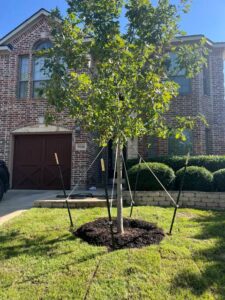
During spring, many trees begin producing new leaves, flowers, and branches. This is an excellent time to inspect their overall condition after the cooler months. Property owners should look for broken limbs, damaged bark, and signs of insect activity. Applying mulch around the root zone can help conserve moisture as temperatures increase. Newly planted trees may also require regular watering to support root establishment. Pruning decisions should be based on the tree species and its flowering or growth cycle rather than following the same schedule for every tree.
Summer maintenance focuses heavily on managing heat and moisture. High temperatures and limited rainfall can place considerable stress on trees, particularly young plants with developing root systems. Deep watering helps moisture reach the deeper soil layers where roots can absorb it. Monitoring soil conditions is important because excessive watering can be just as harmful as insufficient moisture. Maintaining an appropriate mulch layer also helps reduce evaporation and protects roots from extreme ground temperatures.
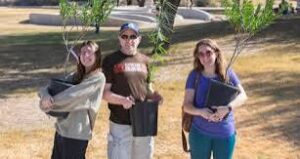
Autumn provides an opportunity to prepare trees for changing weather conditions. Fallen leaves should be monitored for signs of disease before being added to compost or removed from the property. Property owners can also inspect branches for structural weaknesses and identify maintenance needs before severe weather arrives. Planting suitable tree species during favorable autumn conditions may help roots establish before the next growing season, depending on the local climate.
Winter maintenance varies according to the region and the types of trees present. In colder environments, protecting vulnerable young trees from freezing temperatures may be necessary. In warmer regions, winter can provide an opportunity for certain maintenance activities while trees experience slower growth. Regardless of climate, checking for damaged branches and maintaining healthy soil conditions remain important.
Pest and disease monitoring should continue throughout the year. Some insects become more active during warmer months, while certain fungal problems develop under damp conditions. Regularly examining leaves, bark, and branches helps property owners recognize unusual changes. Early identification makes it easier to select suitable treatments and prevent further damage.
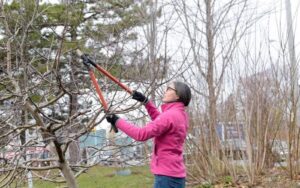
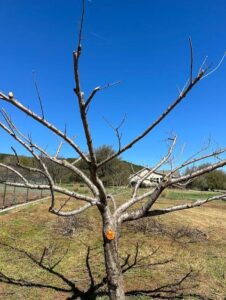
Pruning is another maintenance activity that requires seasonal planning. Different tree species respond differently to pruning, and incorrect timing can affect flowering, growth, or overall health. Removing dead and hazardous branches is important, but extensive pruning should be performed according to professional recommendations. Qualified arborists can determine the most appropriate approach for individual trees.
In conclusion, seasonal tree care helps property owners respond to changing environmental conditions and maintain healthier landscapes. Adjusting watering practices, inspecting branches, managing soil moisture, and monitoring for pests throughout the year can make a significant difference. By understanding the needs of each tree and providing timely maintenance, property owners can protect their greenery and enjoy strong, attractive trees for years to come.